
When observing the modern world, we frequently notice how success is measured by the volume of accumulated goods. From early childhood, children are immersed in messages suggesting that physical possessions are the ultimate yardstick of security and status. However, if we step outside the framework of modern consumerist logic for a moment and examine the anthropological records of ancient cultures, we encounter a strikingly different picture of human nature—one where a person’s true stature is measured not by what they keep for themselves, but by what they give back to their community.
From the stance of a curious observer exploring the layers of the world alongside the next generation, this philosophy of giving opens a quiet pathway toward inner peace (Ataraxia).
🍃Ataraxia Notion Template: Bring Peace to Your Plans and Finances
The act of giving without expecting anything in return frees the mind from the weight of self-assertion and teaches children that the deepest human connections are built through conscious presence rather than accumulated objects.
SoTheWay is more than a blog. It’s a guide for your everyday small victories.
✨ Explore the entire SoTheWay galaxy →Among the Indigenous peoples of the Pacific Northwest coast of North America, a profound tradition known as the Potlatch flourished for centuries. During these monumental gatherings, leaders and community members did not hoard wealth to demonstrate power. Instead, they publicly distributed or gave away prized resources to neighbors, guests, and fellow clan members.
Within this cultural framework, social prestige did not rise with the volume of items kept inside one’s home. Respect was earned through the capacity to generate abundance that could then be shared with others. When family members and neighbors departed a gathering empty-handed in worry but rich in gifts, the host was regarded as a truly wealthy individual.
Unraveling Consumerist Patterns in Childhood
When we share this tradition with children, a completely new logic of ownership begins to take root. We teach them that an object is not an end in itself, but a resource that finds its true purpose only when it sparks joy in someone else. A child who grasps this concept begins to view their toys, time, and developing skills not as private property to be fiercely guarded, but as a bridge to another human being.
This approach to giving aligns naturally with the historical and spiritual examples of gift-giving we have explored previously. In our article Beyond the Mold: Unique Gifts That Endure, we examined the subtle symbolism behind secret giving in the traditions of Saint Nicholas, as well as the Potlatch ceremony and the art of Kintsugi—restoring broken items as a metaphor for honoring relationships. Each of these traditions speaks to the same quiet truth: a gift that seeks no applause is the purest expression of care.
From Objects to Attention: Presence Over Presents
In everyday family life, it is remarkably easy to fall into the habit of substituting physical gifts for undivided time. Yet children intuitively feel the difference between a hastily purchased item and a quiet moment where we offer them our complete attention.
Applying the lesson of the Potlatch in a modern home does not mean giving away everything we own. Rather, it means shifting our focus from things to relationships. When we prepare a simple meal alongside a child for someone in need, help them pass on a cherished toy to a younger friend, or listen in silence as they share their inner thoughts, we teach them that our most precious resource is our conscious presence.
This theme intersects deeply with the neurological insights discussed in The Science of Memory Journals: How Documenting Shared Experiences Shapes Childhood Brains, where research reveals that a child’s mind retains and processes shared emotional experiences far more deeply than material items.
Similarly, when we reduce ambient noise and environmental clutter in a child’s living space, we open up room for deep focus and emotional resilience. We explored how environment directly influences a child’s internal calm in Minimalist Playrooms and Deep Focus: Mindful Decor for Inner Peace.
Visual Reminders of Empathy (InnerWay Art Studio)
In the rush of everyday routines, we often benefit from gentle, visual anchors in our living spaces—quiet reminders on a wall or a desk that bring us back to what matters when the outside world gets loud.
Within the InnerWay Art Studio, inspired by journeys through stories, books, and anthropology, we created the Minimalist Love collection available on Redbubble.
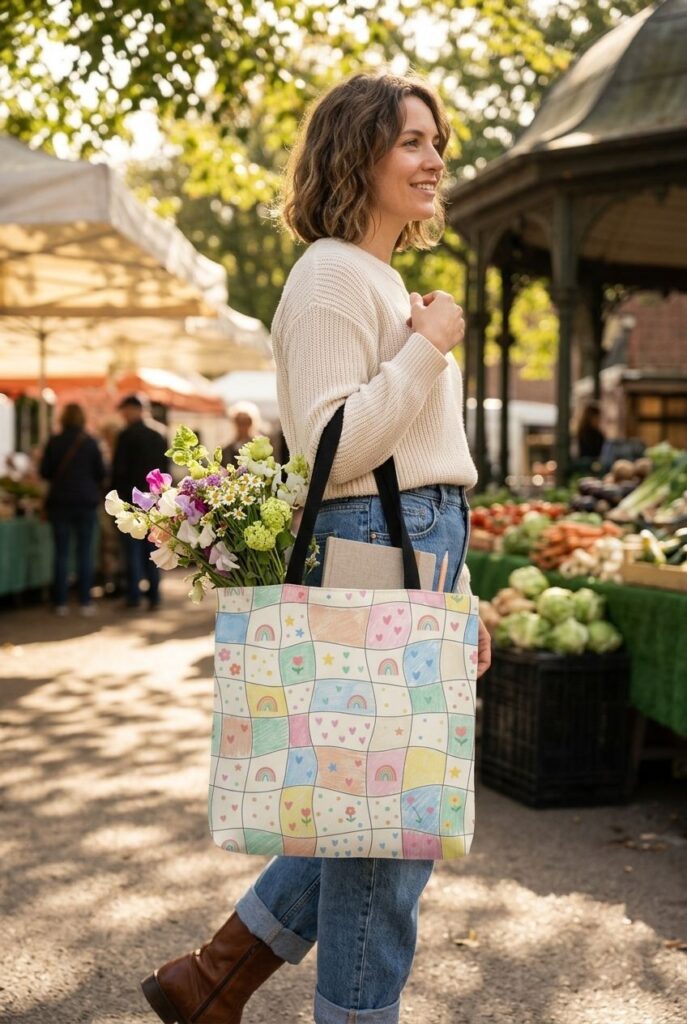
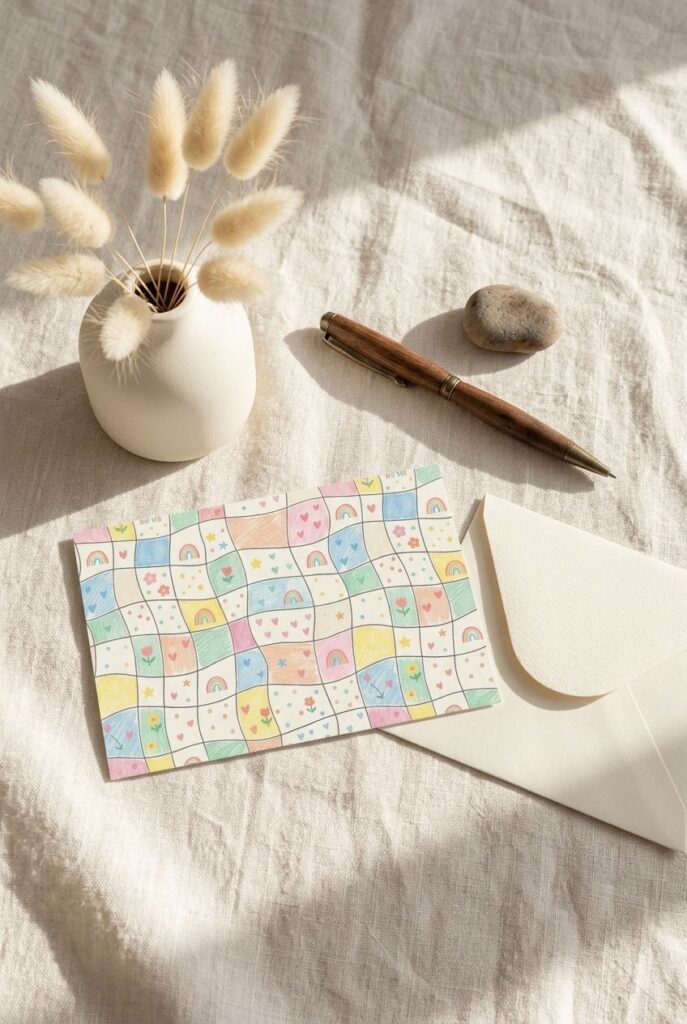
Featuring themes of empathy, human warmth, and the message of Presence Over Presents, these visual pieces serve as quiet anchors for nursery rooms and homes dedicated to mindful growth. Designs like the Playful Nursery Love Pastel Rainbow Notebook and Art Prints avoid overwhelming detail, using simple linework and soft pastel aesthetics to honor the clarity of a child’s world and the beauty of sharing.

When children grow up surrounded by such imagery, the concept of generosity becomes a natural part of their internal landscape. It serves as a subtle reminder that resources and financial tools hold value only when they serve as a means to build kindness—a perspective we detailed in More Than an Allowance: 5 Tools for Understanding Money as a Resource, Not Status.
Veljko’s Quiet Thought
Veljko sat quietly, observing his open palms. He closed them gently as if holding an invisible gift, then slowly opened them back up toward us. He offered no lecture on anthropology or ancient traditions. He simply smiled and offered:
“A hand that clenches stays empty within. A hand that shares holds the world in its palm.” — Veljko
Frequently Asked Questions (FAQ)
What is the Potlatch mentality and how does it apply to modern parenting?
The Potlatch is a traditional ceremony practiced by Indigenous peoples of the Pacific Northwest, where an individual’s status and wealth are determined by how much they give away to their community. In parenting, this concept helps children realize that material items gain true value only when used to bring joy, offer support, and foster human connection.
How can I teach my child generosity without making them feel a sense of loss?
Teaching generosity works best through modeled behavior rather than force. When children observe the joy that giving brings to others—whether sharing time, a helping hand, or a toy—they begin to experience generosity as an internal gain rather than a material loss.
Why is the message “Presence Over Presents” vital for today’s families?
In a fast-paced culture where it is easy to substitute material items for missed time, “Presence Over Presents” reminds us that undivided attention, meaningful conversation, and shared moments contribute far more to a child’s emotional and neurological development than physical possessions.