
Teaching children values like empathy, environmental responsibility, and community care rarely works through lectures. Kids don’t internalize the world through our words—they learn by watching our actions. In our reflection on leading by example—gifting time and skills—we explored how non-material gifts, like unhurried time and undivided attention away from screens, leave the deepest impression on a child’s character.
Micro-volunteering with kids is the practical application of this mindset. You don’t need weeks of formal planning or large-scale commitments. A simple 45-minute action during a weekend walk is enough to show a child that small, consistent actions directly shape our immediate environment.
Here is a step-by-step guide for eco-conscious families looking to turn weekend walks into memorable lessons in practical empathy.
Step 1: Choose a Hyper-Local “Micro-Mission”
Keep your field targets clear, tangible, and modest. The goal isn’t to clean an entire forest, but to complete a self-contained effort that gives your child an immediate sense of visible accomplishment:
- Park Clean-Up Walk: Pick a 100-meter stretch of a local trail or playground and clear it of litter.
- Neighborhood Green Care: Weed around community tree bases or plant a small patch of wildflowers in your local area.
- Bird & Wildlife Support: Set up or replenish bird feeders in a nearby park using natural seeds and materials.
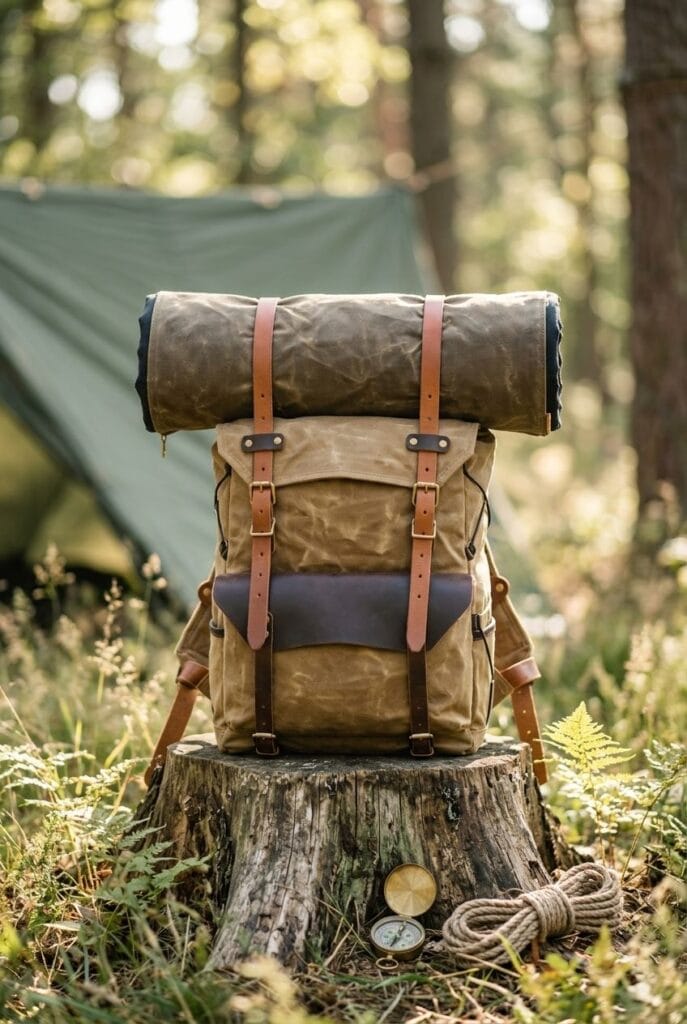
Step 2: Pack Your Field Gear
Having dedicated, functional gear turns micro-volunteering into an exciting outdoor expedition. Preparing equipment together at home teaches responsibility before you even step outside.
ℹ️✨ This post contains affiliate links. Some links may earn a small commission for SoTheWay if you choose to make a purchase — at no additional cost to you. We only recommend resources and brands that align with mindful values and genuine usefulness.
Reusable Water Bottles (Insulated Stainless Steel)
Before heading out to clean a green space, make sure your family isn’t generating new waste. Durable eco bottles keep drinks cold and offer a clear lesson: we protect nature by avoiding single-use waste in the first place.
- Gear Recommendation: Explore Water Bottles on AliExpress

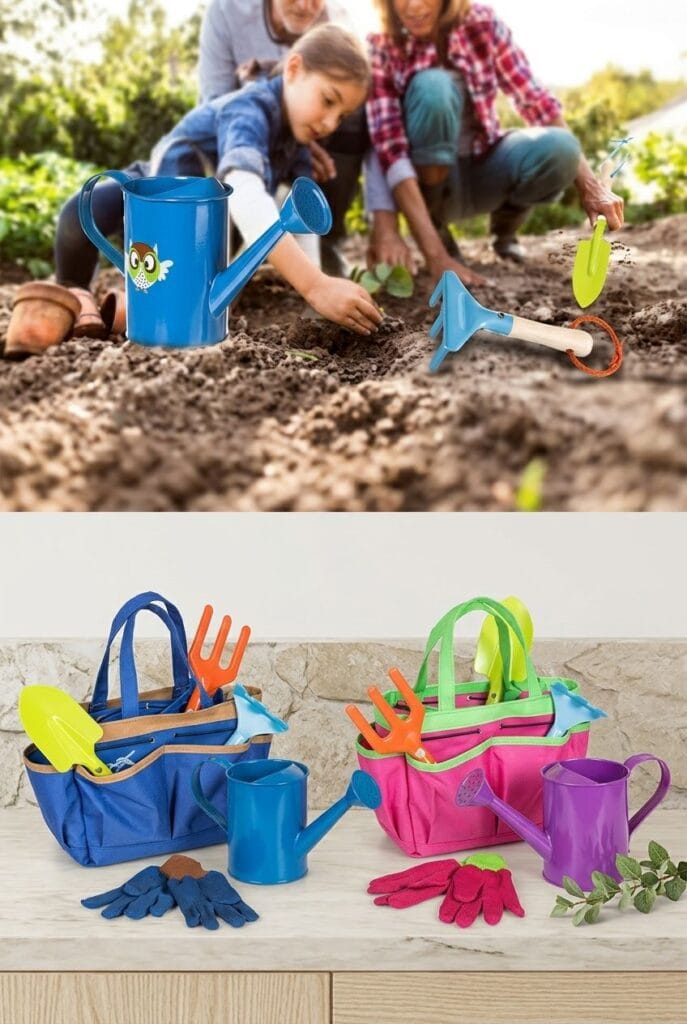
Compact Planting Tool Sets & Kid-Sized Gloves
If your mission involves planting or soil care, proper tools built for smaller hands make a massive difference. Mini stainless-steel trowels and fitted work gloves protect small hands while making kids feel like real field researchers.
- Gear Recommendation: Discover Kid-Sized Garden Tool Kits & Work Gloves on AliExpress
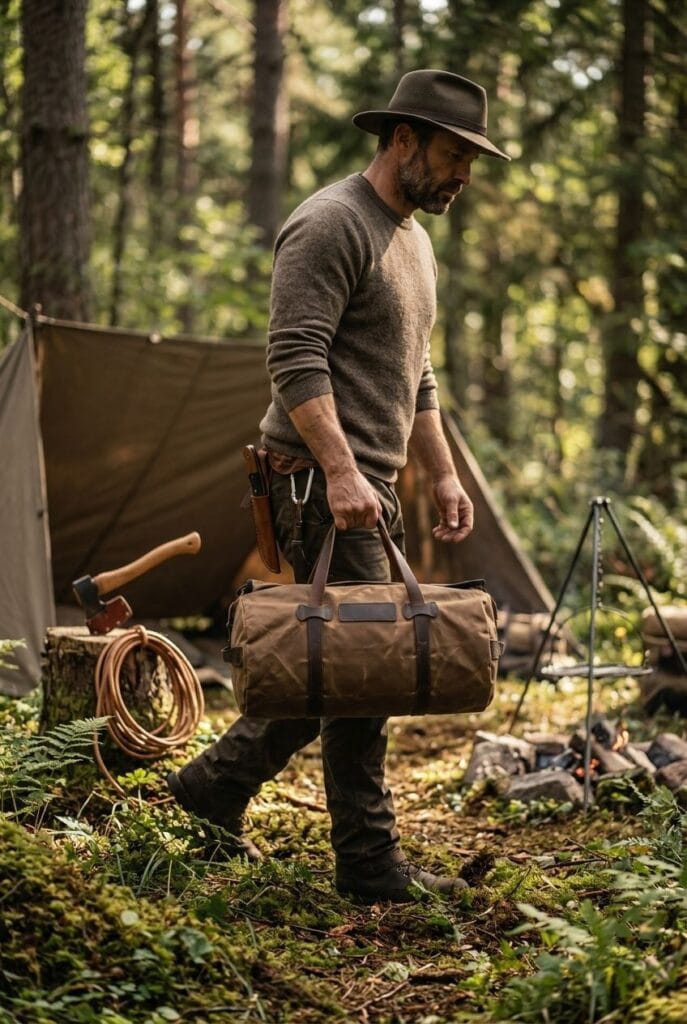
Heavy-Duty Bags and Blankets
Heavy-duty, foldable utility bags fit easily into a backpack.
- Gear Recommendation: View Waterproof Outdoor Blanket on AliExpress
Step 3: Use the “Observe & Act” Method
While on the terrain, guide your child’s focus without turning the activity into a rigid chore. Use gentle prompts to help them notice details:
- Spot the Detail: Ask, “Do you think this plastic bottle belongs under this oak tree?” or “How do you think this plant grows once we clear the litter around it?”
- Work Side-by-Side: Don’t sit on a bench giving instructions. Get down on their level and work alongside them.
- Appreciate the Result: Finish the session by stepping back together to look at the cleared or improved space.

Step 4: Reflect Together Afterwards
Empathy hardens into a habit when children reflect on what they felt during the experience. Over a warm drink or a rest on a bench, ask simple, open-ended questions:
- “How does this park corner look now compared to when we first arrived?”
- “How do you think people and animals will feel when they walk past this spot today?”
As Veljko softly noted on the nature of lasting gifts:
“A gift given by hands may fade. A gift shown through life travels far.”
FAQ – Frequently Asked Questions About Micro-Volunteering with Kids
At what age can children start micro-volunteering?

Children as young as 3 or 4 can participate in simple micro-actions, such as throwing a piece of litter into a trash bin during a walk or helping water plants. The key is adapting the duration and difficulty to your child’s age.
How can I motivate my child if they show no interest?

Frame the activity as a “field mission” or an “outdoor exploration,” rather than a chore or cleaning duty. Giving them their own gear (like dedicated gloves or their own water bottle) gives them a sense of ownership and importance.
Is collecting litter in public areas safe for children?

Safety is always the top priority. Children should always wear protective gloves and use proper tools. Set a strict rule beforehand: kids should never pick up sharp objects, glass, or unknown sealed containers—those are tasks for adults only.
How often should we organize these micro-missions?

Consistency matters far more than frequency. Spending 30 to 45 minutes once every two weeks or once a month is plenty. The goal is to build a healthy mindset and habit without overwhelming your weekend schedule.