
If we pause for a moment and observe the nighttime calm of a child’s bedroom, we might notice something unusual yet deeply revealing. Children today spend hours in front of flat, glowing screens. Yet, when they sink into sleep and enter the realm of dreams, their minds rarely feature smartphones, scrolling feeds, or digital interfaces. Children dream of running, falling, flying, conversing, or hiding within a tangible, three-dimensional world.
From the perspective of a curious observer, this question leads us straight to the heart of sleep neurology and neuroplasticity. Why does the brain, despite being exposed to thousands of digital stimuli during the day, refuse to weave those very devices into the narrative of its dreams? The answer lies in how our minds were evolutionarily wired and what they truly require to achieve inner peace (Ataraxia).
ATARAXIA
The Strategic Navigator for Autodidacts
A philosophical and strategic system designed for independent thinkers who want clarity, structure and intentional direction in a noisy digital world.
- Build a personal philosophy
- Organize knowledge intentionally
- Create strategic direction
- Escape mental overwhelm
The Architecture of Dreams: Why Screens Leave a Shallow Neural Footprint
To understand why smart devices are absent from children’s dreams, we must examine what occurs in the brain during REM (Rapid Eye Movement) sleep. Dreaming is not a random slide show; it is a profound process during which the brain processes emotions, integrates motor skills, and consolidates experiences that possess survival and stabilizing value for the organism.
Two-Dimensional Stimuli vs. Three-Dimensional Experience
Scrolling on a screen requires minimal physical engagement and consumes attention through rapid, superficial stimulation. A screen offers passive visual information devoid of touch, scent, spatial resistance, and real-world kinetic feedback. For a developing brain, this is the attention equivalent of “empty calories.”
In his groundbreaking work Why We Sleep, neuroscientist Matthew Walker explains how REM sleep acts as a form of overnight therapy and a forge for complex neural integration. The brain dreams about what demands emotional, physical, and spatial processing. Real-world play—jumping, building, feeling textures, and navigating physical space—activates deep motor and limbic centers that require overnight consolidation. A screen, on the other hand, generates digital fatigue and fragmented attention, but fails to provide the raw material from which the brain can construct a dream.
This phenomenon links directly to our exploration in The Science of Memory Journals: How Documenting Shared Experiences Shapes Childhood Brains, where we noted that only consciously processed, tangible experiences leave lasting memories and forge stable neural networks.
 Enter BAM Headquarters!
Neuroplasticity and Digital Fatigue: When the Brain Craves Quiet
The brain’s ability to adapt and rewire itself—its neuroplasticity—is a double-edged sword. Norman Doidge, in his seminal book The Brain That Changes Itself, details how continuous, high-speed stimuli can alter the attention maps in our minds. When a child is exposed to constant screen light and rapid cuts, the brain enters a state of quiet hyper-stimulation.
Fragmented Attention and the Need for Physical Play
Digital fatigue doesn’t always show up as physical exhaustion; it often appears as restlessness, an inability to focus deeply, and shallow sleep. A child whose attention has been fragmented throughout the day struggles to enter deeper sleep stages because their nervous system remains in a state of low-grade vigilance.
To restore itself, the brain needs open-ended, real-world play. Through free exploration of tangible space, a child anchors their attention back into their own physical body. This is the moment when the mind stops merely reacting to external triggers and begins to create independently.
We explored this essential need for sensory reduction in Minimalist Playrooms and Deep Focus: Mindful Decor for Inner Peace, where removing excess noise and physical clutter allows a child to discover their own internal compass.
Books as Guides to Understanding the Mind (Recommended Reading)
When we set aside our roles as mere enforcers of screen-time rules, we open up space to understand the underlying biology of childhood behavior. Literature in the fields of sleep science and neuroplasticity offers profound insights rather than quick fixes:
- Understanding Sleep and Recovery: For anyone seeking to grasp the deep connection between sleep, memory, and emotional resilience, Why We Sleep by Matthew Walker provides fundamental answers on why undisturbed REM sleep is vital for childhood development.
- The Power of Neural Adaptation: To understand how neural pathways are shaped through experience and how physical activity alters brain structure, The Brain That Changes Itself by Norman Doidge is essential reading that reshapes how we view learning and play.
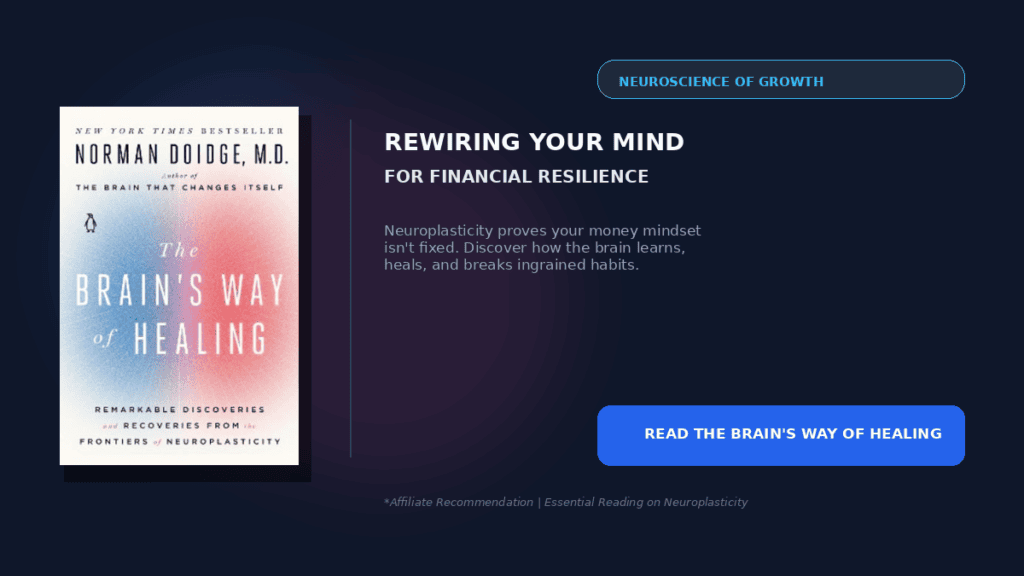
This scientific lens brings us back to a simple truth: the most vital gifts we offer a child cannot be packaged inside technological devices. As explored in Leading by Example: Gifting Time and Skills Instead of Things, our presence, undivided time, and real-world guidance leave impressions that no screen can replicate.
Veljko’s Quiet Thought
Veljko sat quietly, observing a powered-off screen resting on the table, then turned his gaze to the window where a tree canopy swayed gently in the wind. He did not quote research papers on REM sleep, but offered a quiet smile and noted:
“Light from a box only tires the eyes. Light from a story creates dreams inside.” — Veljko
SoTheWay is more than a blog. It’s a guide for your everyday small victories.
✨ Explore the entire SoTheWay galaxy →Frequently Asked Questions (FAQ)
Why do children rarely or never dream about using smartphones?

Dreams primarily serve to process complex emotions, spatial orientation, and physical motor skills essential for survival. Smartphone usage is a passive, two-dimensional activity that does not engage the brain’s motor and emotional centers in a way that requires overnight consolidation during REM sleep.
How does excessive screen time impact the quality of a child’s sleep?

Blue light from screens suppresses melatonin secretion, while fast-paced content keeps the nervous system in a state of alertness. This leads to delayed sleep onset, fragmented sleep cycles, and reduced REM sleep, resulting in digital fatigue and lower daytime focus.
What is the most effective screen-free alternative before bedtime?

Calming, tactile activities such as reading physical books, storytelling, journaling, or quiet free play in a low-stimulus environment are ideal. These activities help the brain bridge emotions with language and transition smoothly into natural rest.