
You may have noticed how a room overflowing with colorful plastic toys rarely brings calm—instead, it breeds a quiet restlessness. A floor cluttered with a hundred shiny objects doesn’t invite deep play; it demands attention, overstimulates the senses, and ultimately exhausts the mind. When we remove the visual noise, we don’t deprive a child of joy—we open the door to their inner world. This is not about styling a home for social media, but about creating a sanctuary where a child’s mind can slow down, anchor itself, and drop into uninterrupted concentration. It is the quiet gift of a space where a child no longer has to choose between a hundred distractions, but can finally just be.
The Architecture of Silence — Why Less Visual Noise Means More Mental Space
Curiosity does not thrive in chaos. When a desk or floor is packed with glowing, noisy gadgets, a child experiences constant sensory overload. Attention darts from one item to the next without settling long enough to enter that state of flow—the quiet place where true creativity and deep reflection are born.
Every object in a room carries a subtle message and claims a slice of mental bandwidth. Clearing the physical clutter is not about creating emptiness for its own sake; it provides a framework for presence. Beyond the pressure of being the “perfect parent” who provides everything, lies a simpler truth: children often need far fewer things and far more space for their own natural rhythm. As explored in our reflection on meaningful gifts that leave a lasting imprint, the most valuable thing we can offer is not another boxed item, but an environment that fosters patience, focus, and quiet growth.
The Three Pillars of a Focused Nook — Ergonomics, Order, and Light
A Grounded Body for a Focused Mind
Attention is a physical experience. Mental restlessness often begins with physical discomfort. When a child sits in a chair without proper support—feet dangling, back strained—their nervous system spends subtle energy just maintaining balance. In that state, it is difficult to settle into a book or a drawing. An adjustable ergonomic chair designed for growing children provides solid foot support and aligns posture, freeing the body from fatigue so the mind can fully immerse itself in the task at hand.

Tactile Order on the Desk
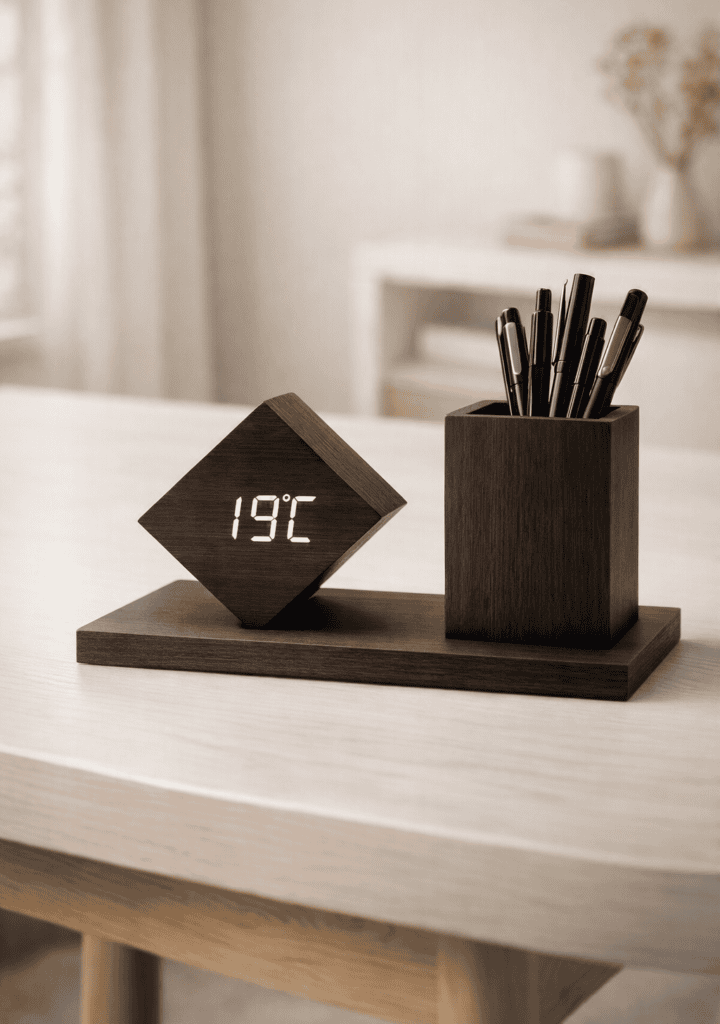
Preparing a space to read or draw can be a calming ritual. When pencils, paper, and small tools have dedicated compartments made of natural materials, the impulse to rummage through clutter disappears. The warm touch of natural wood has a grounding effect on the senses, while functional wooden desk organizers visually define boundaries. Order on the desk naturally reflects as order in the mind.
Targeted Light That Invites Quiet Reading
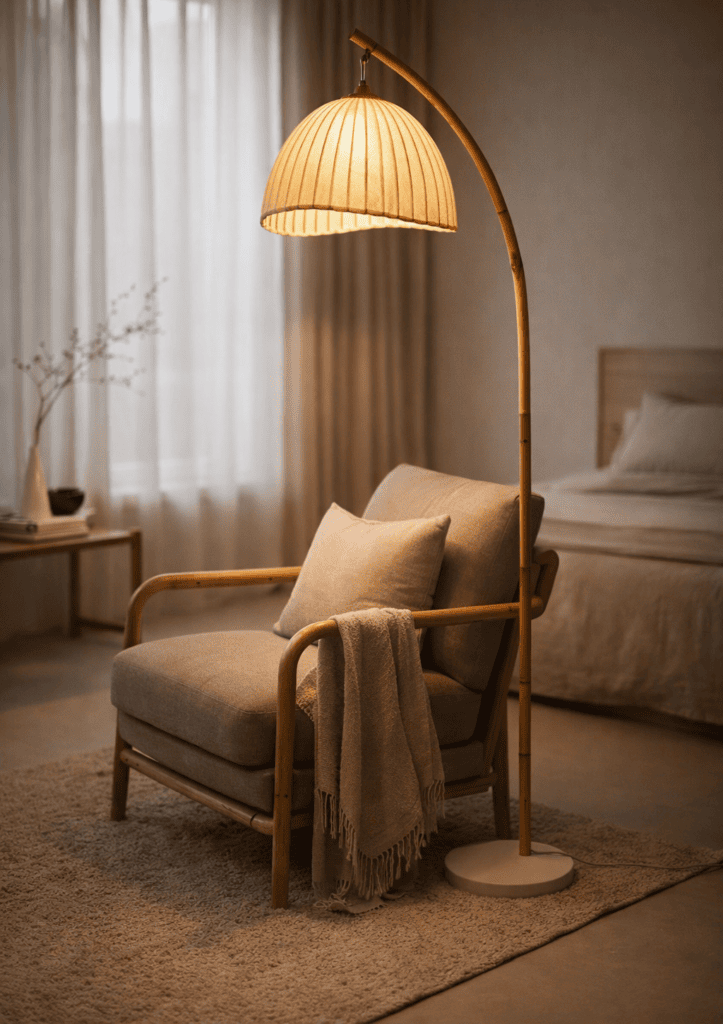
Lighting sets the emotional tone of a room. Harsh overhead lights often feel clinical, keeping the nervous system on high alert. Soft, directional light does the opposite—it gently dims the rest of the room. Using minimal, flexible reading lamps from collections like AliExpress Home Decor, you can create a cozy “island of light.” This soft, warm cone narrows the child’s visual field to the page in front of them, leaving external distractions in the shadows.
Veljko sat quietly in the corner of the sunlit room, holding a simple wooden pencil. He watched the child sit under the soft glow of the lamp, spending hours in complete stillness, drawing line after line on a blank sheet of paper. No noise, no hurry, no need for anything else.
He looked toward the window and softly murmured:
“Many things, the mind wanders. Few things, sees deeply. Silence inside, louder than noise outside is.”
Systems Over Goals — Building Habits Through Environment
When thinking about how to encourage concentration in children, we often forget that behavior is rarely shaped by lecture—it is shaped by environment. As James Clear notes in Atomic Habits, our surroundings act as an invisible hand guiding our choices. When we build a simple system—a nook stripped of excess stimulation, paired with accessible, tactile tools—the habit of deep focus doesn’t need to be forced. It unfolds naturally as a response to the space itself.
Atomic Habits : An Easy & Proven Way to Build Good Habits & Break Bad Ones, by James Clear Enter BAM Headquarters!
For parents seeking to explore this philosophy further and discover intentional tools for intentional living, our Treasury of Knowledge hub serves as a curated guide toward simplicity and quiet focus.
“We do not teach a child silence by telling them to be quiet, but by removing everything from the room that needlessly shouts.”
Frequently Asked Questions
Why is an adjustable ergonomic chair essential for a child’s concentration?

When a child sits in a chair where their feet dangle, or the desk is too high, the body expends subconscious energy simply staying balanced. An adjustable ergonomic chair provides firm foot support and proper spine alignment, reducing physical restlessness and naturally extending mental focus.
How do wooden organizers help children develop independence?
Organizers made from natural materials with open, clear compartments allow children to see exactly where everything belongs. When creative tools have a permanent home, children learn to retrieve and return them independently, cultivating internal order without needing constant reminders.
What kind of lighting is best for evening reading without disrupting sleep?
To maintain focus while preparing the body for rest, warm, directional reading lamps with adjustable necks are ideal. This type of light illuminates only the workspace or book page, minimizing overall sensory stimulation and supporting the natural release of melatonin.
SoTheWay is more than a blog. It’s a guide for your everyday small victories.
✨ Explore the entire SoTheWay galaxy →