
As we watch store windows transform into glowing labyrinths and the social calendar dictates when we should give and celebrate, a quiet resistance often stirs within us. We ask ourselves a simple yet bitter question: is a box with a bow always a sign of affection, or is someone actually bringing us an invisible debt collector wrapped in cellophane?
As explorers observing beneath the surface of general chaos, let us step into the very mechanics hidden behind holiday euphoria.
The Hidden Math of Debt: Why a Gift from the „Wrong“ Person Nauseates Us
It has long been known in anthropology that a gift is never free. Studying ancient systems of exchange, researchers like Marcel Mauss observed that every gift carries a triple obligation: to give, to receive, and to reciprocate. In healthy relationships, this circle flows naturally, like breathing. However, in toxic dynamics, the mechanism of reciprocity is twisted into a harsh instrument of control.
When someone who normally drains our energy sends us an expensive gift, our internal compass immediately triggers a red alarm. Why? Because the brain does not recognize this act as generosity, but as a high-interest transaction. The giver is purchasing the right to our attention, obedience, and freedom of movement. Any later disagreement will be suffocated by the phrase: „After everything I bought you…“ The gift becomes a noble cage binding us without a chain.
The Thermodynamics of Attention: How the Things We Receive Possess Us
From the standpoint of energy balance, every object in our space carries its weight. In a world where our time and peace are already reduced to a minimum, every useless item received out of obligation becomes a small generator of entropy—clutter that demands our attention, dusting, and storage.
Instead of our space being a sanctuary for free thought, it becomes a warehouse of other people’s projections and unfulfilled expectations. The possessions we own—especially those forced upon us by environmental pressure—begin to possess us, sucking our attention like quiet parasites.
Veljko peers from the shelf, observes this internal equation, and with a gentle smile whispers:
„A heavy gift fills the hands, but empties the mind. True affection seeks no chain.“
When we allow other people’s expectations and gifts with hidden conditions to govern our space, we lose our most important resource—clear focus.
We have already written about how to preserve our internal compass and mental discipline in a world full of distractions in the articles: Thoughts That Make a Difference / The Art of Choosing.

Tools for Defending Inner Peace: Resilience, Assertiveness, and Quiet Authority
When you understand that manipulation through gifts or imposed obligations is just an attempt to violate your inner space, one natural question arises: how do you stay unmoved while the outside world tries to pull you into its games?
The answer isn’t aggressive confrontation or constantly explaining your actions. Authority over your own life is not built through shouting, but through quiet consistency and self-education.
1. Understanding Emotions and Patterns: Recognizing Triggers That Exhaust Us
To build resilience (resistance to external pressures), we must first learn to identify the moments when our energy begins to „leak“.
How to recognize situations that exhaust us?
- Physical signal before psychological: Pay attention to the body’s first reactions—tightness in the stomach, shallow breathing, or sudden fatigue at the mere thought of meeting someone or accepting their „gift“.
- The feeling of conditioned guilt: If you catch yourself thinking „If I don’t accept/do this, what will they think of me?“, you have entered the field of manipulation.
- Pressure for a quick response: Manipulative patterns often demand an immediate reaction. As soon as you feel someone rushing you to accept a service or a gift, pause.
- Self-Educational Anchor: Daniel Goleman – Emotional Intelligence. This work is not merely a psychological manual, but a blueprint for understanding one’s own internal mechanism. Goleman teaches us how to recognize emotional hijackings—moments when external pressures and our learned patterns of guilt take the helm of our reactions. By understanding emotions, we stop reacting impulsively to outside triggers and gain space between stimulus and response—the space where our freedom resides (available via Books-A-Million partnership network).
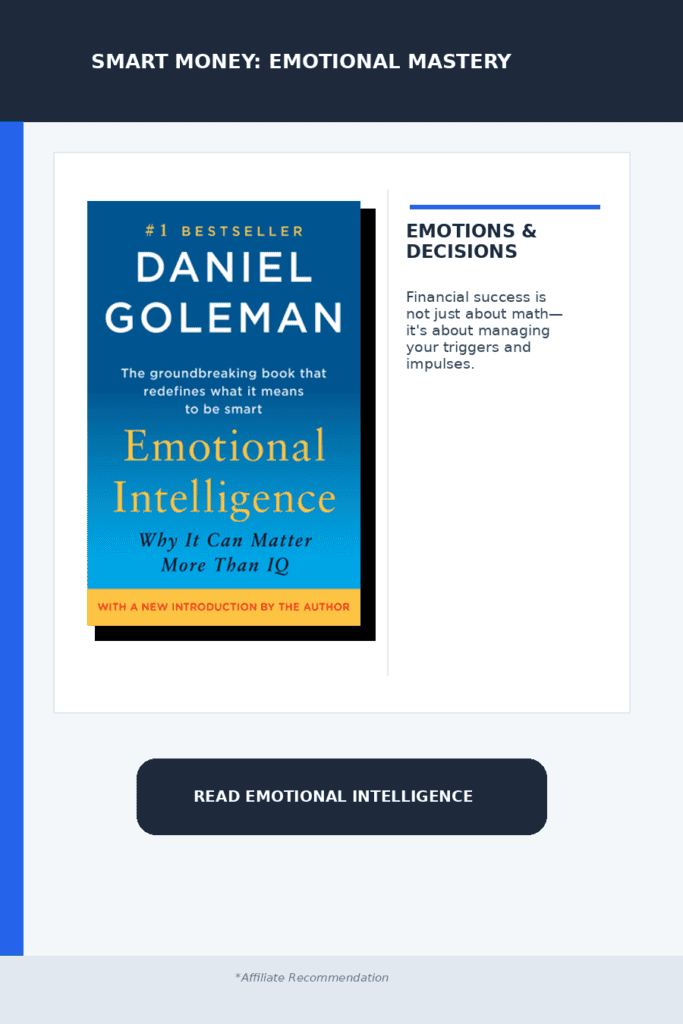
 Get up to 35% Off New Releases at BooksAMillion.com!

ℹ️✨ This post contains affiliate links. Some links may earn a small commission for SoTheWay if you choose to make a purchase — at no additional cost to you. We only recommend resources and brands that align with mindful values and genuine usefulness.
2. The Skill of Assertiveness and Gaining Quiet Authority: Stop Justifying Prejudices
Many of us believe we must explain in detail why we refuse, do not want, or do not accept something. However, every extra explanation in the observer’s eyes acts as an excuse, and an excuse gives the other side material for negotiation and an attack on your motives.
How to build authority and break the cycle of constant explanations?
- Accept that you are not obligated to shatter other people’s prejudices: When someone views you through the prism of their own expectations, no explanation will change their image. Their prejudice is their burden, not your task.
- Practice sentences without the „because“ continuation: Assertiveness does not mean being rude, but being clear. The sentence: „Thank you for the offer, but I cannot accept this“ carries complete strength. As soon as you add „because I don’t have time / don’t have money / have to do something else…“, you have given others insight into your resources and an opportunity to analyze your decision.
- Consistency instead of debate: When people in your environment notice that you do not enter into justifications, at first they will try harder to pressure you. But when they realize that you remain calm, without anger and without explanation, over time they stop asking questions. True authority is born this way—from an inner peace that seeks no external validation.
True freedom does not mean the absence of external pressures, but our inner readiness not to enter someone else’s game. Read more about what it actually means to break free from imposed roles and take the helm of your own life in our research: What Does It Really Mean to Be Free?
3. Arrangement of Space and Focus: Outer Clarity as a Reflection of Inner Silence
Our mental resilience directly depends on the environment we inhabit. Clearing physical space from unnecessary things and imposed objects teaches our mind how to discard irrelevant thoughts, outside comments, and emotional surplus.
Self-Educational and Practical Anchor: Tree of Life Black Metal Bookend (AliExpress). Just as we learn to set boundaries in relationships, setting boundaries on our own desk represents the first practical step toward self-discipline. By clearing the workspace, we free ourselves from visual background noise, facilitate focus on what truly matters to us, and create an environment where it is easier to make clear, calm decisions.


Veljko, from the edge of the desk, quietly observes and reminds us:
„When you do not explain your peace, they must face their own noise. Therefore, your answers should not be high walls, but a clear lake reflecting only their own image.“
Pause for a moment and free yourself from imposed rules.
If you are looking for a gift that carries a sincere story, aesthetics, and an authentic message without hidden meanings — Check out the collection of original works here:


„When they bring you a gift offering shackles, do not repay with debt. Gift them silence, and reclaim your space.“
FAQ: Frequently Asked Questions About Boundaries, Assertiveness, and Manipulative Gifting
How to recognize whether a gift is an expression of sincere affection or a hidden attempt at control?

A sincere gift gives you complete freedom—it carries no expectations, creates no pressure, and delights you without an inner sense of debt. A manipulative gift, on the other hand, always leaves a bitter burden, a feeling of conditioned guilt, and a tacit demand to somehow „repay“ or remain obedient.
Why do I feel the need to constantly justify myself when I refuse a gift or a service?

The need for explanation usually stems from learned patterns where making others happy is placed ahead of our own peace. When you explain your reasons in detail, you unconsciously seek permission from the other side for your „no“ to be accepted, thereby giving them room to contest your motives.
How to build personal authority so people stop demanding justifications from me?

Authority is built through calm consistency and avoiding unnecessary explanations. When you learn to state clear, assertive positions without the continuation „because…“, people around you gradually realize that your boundaries are not open to negotiation, stopping them from pressing and analyzing you.
How to direct attention to self-improvement when our environment constantly exhausts us?

The key is self-education and becoming aware of one’s own reactions. By reading literature in the fields of emotional intelligence and relationship psychology, you learn how to recognize external triggers before they provoke a turbulent reaction. By organizing your personal and work space, you further free your focus from visual and emotional noise.
What to do when society judges us for not playing by their unwritten rules?

Accept that their reactions are a reflection of their need for control and validation, not your quality as a person. When you stop acting as a predictable cog in their system, you naturally disrupt their template—the best thing you can do then is gift them silence and reclaim your space.
SoTheWay is more than a blog. It’s a guide for your everyday small victories.
✨ Explore the entire SoTheWay galaxy →