
An old tavern in Sombor, Serbia. A wooden table, worn edges, the aroma of coffee—the kind you drink for the conversation, not the caffeine.
Veljko looks up and asks:
“A ‘Domaćin’… who is he, exactly?”
The silence at the table isn’t uncomfortable; it’s heavy. Like a question everyone understands but no one wants to be the first to answer.
Perhaps it’s because today, it’s no longer clear what it means to be a “Domaćin” (a true steward or head of household).
Maybe we have forgotten how to recognize authentic leadership in modern society. Or maybe the answers were once simpler—because people were closer to nature, to one another, and to the problems they had to solve together.
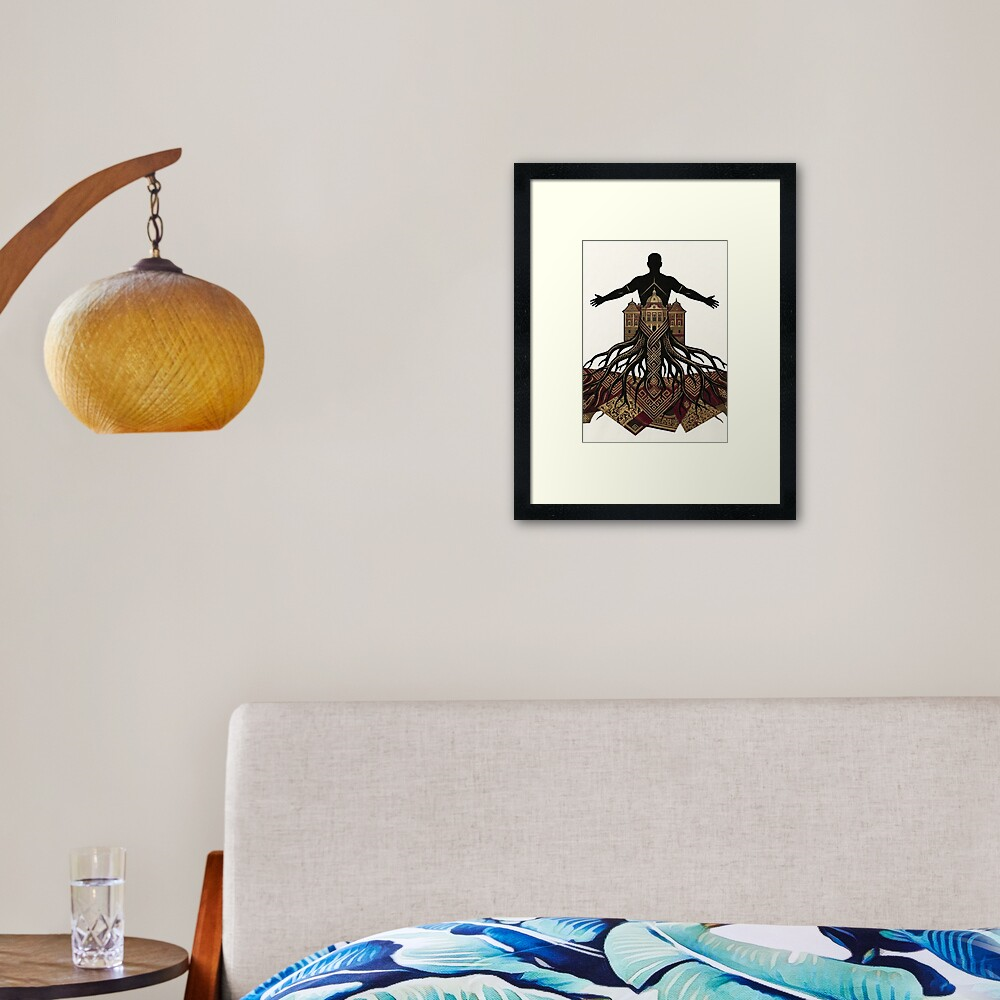
A Lesson from the Marsh: Responsibility as a Solution
In stories passed down more quietly than history books, there is one that often resurfaces when speaking of Sombor.
The city we recognize today for its greenery, slow pace, and storks once faced a different problem. The marshy land around the city, especially during high-water seasons, brought something that sounds surreal today: an infestation of frogs.
Not as a charming detail of nature, but as a genuine crisis of daily life—noise, mess, and a disrupted ecological balance.
It was then that the crucial question we still ask today emerged:
Who takes responsibility when a problem becomes collective? Not the individual who complains. Not the bystander.
But—the Domaćin.
The solution didn’t arrive overnight, nor from a distant institution. It came from understanding nature. Storks, as natural predators of frogs, became part of the solution. It wasn’t a single decision or a single man. It was a combination of knowledge, observation, and civic responsibility.
Whether the storks were brought in by plan or if space was created for them to arrive naturally, the story has many versions. But the essence remains:
👉 Someone thought long-term
👉 Someone understood the natural balance
👉 Someone acted
The result today isn’t just a solved problem. The result is the identity of the city.
Today, at one of the roundabouts in Sombor, stands the symbol of that story:
The Stork Monument: A floral installation with a stork motif—simple but powerful.
Not as a decoration. But as a reminder.
Of a time when problems were solved without noise. Of people who didn’t wait for someone else to react. Of what we are trying to define today:
What are true life values, and how can we bring old-world values into modern society?
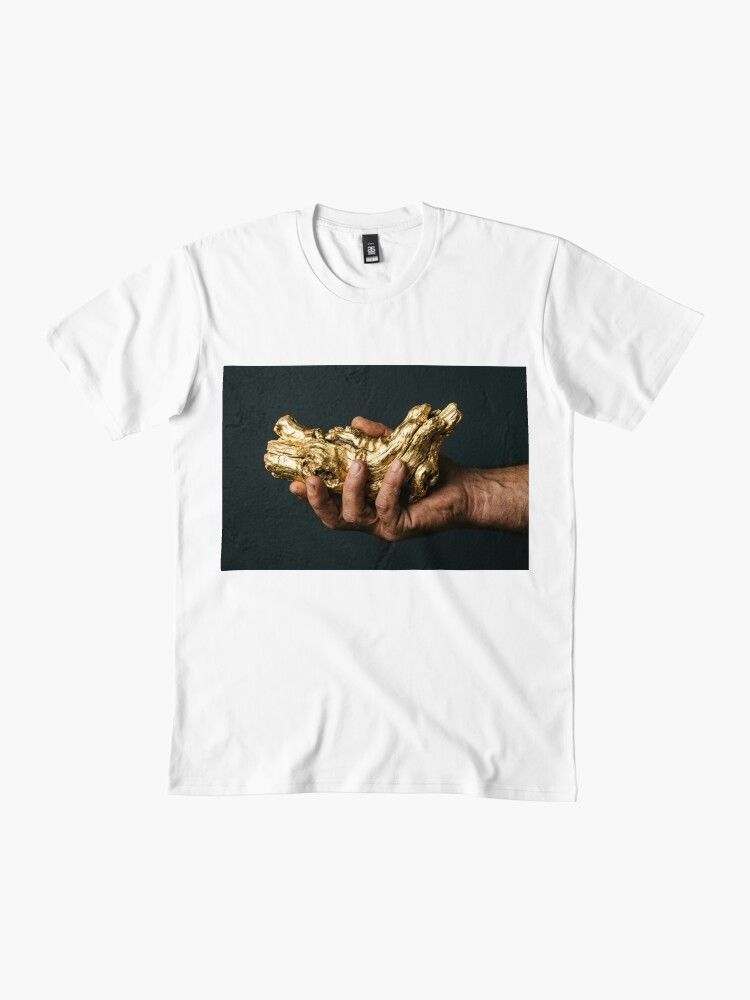
How to recognize a host in a time without a host?
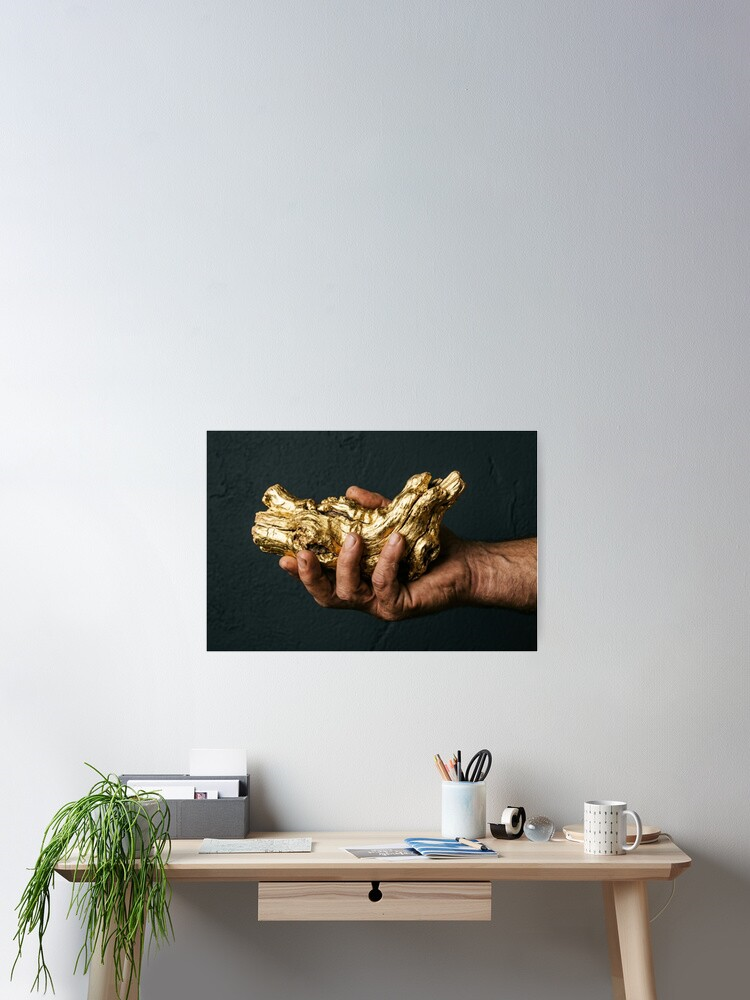
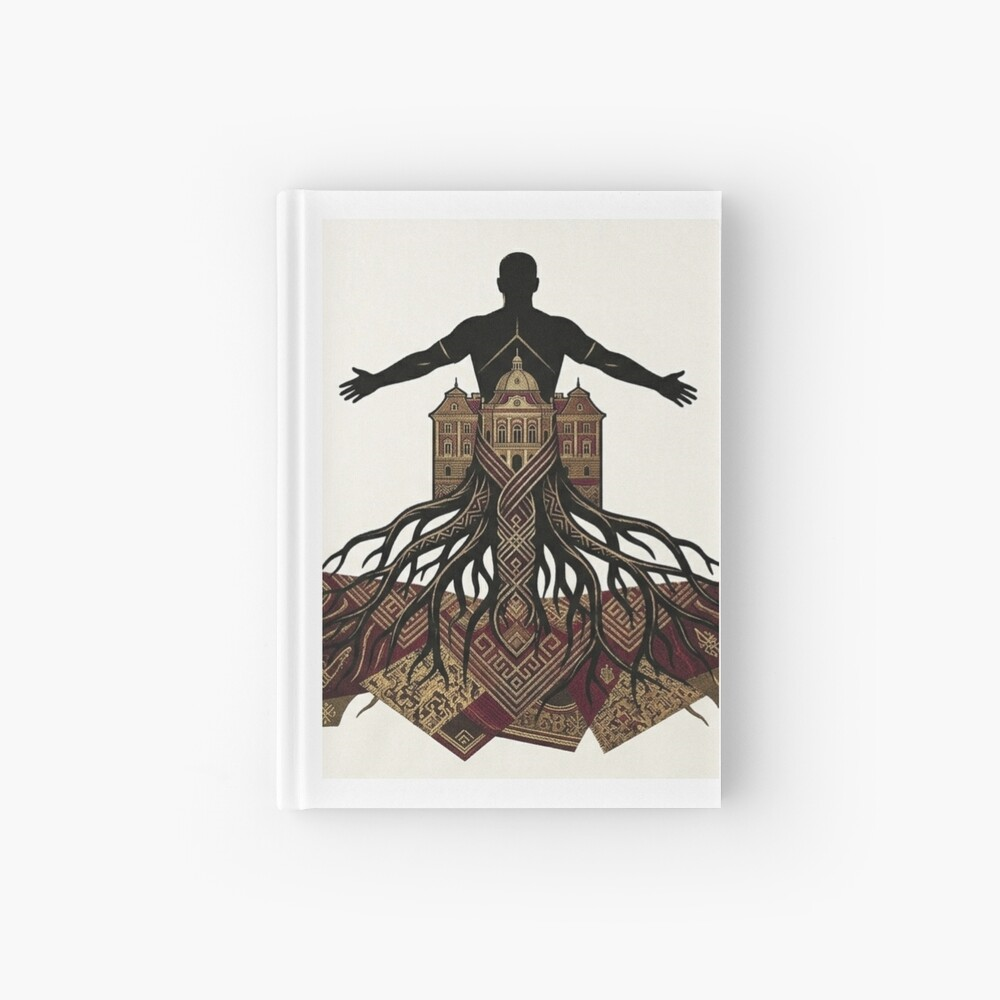
This design is a visual answer to that question. A golden root in a firm handshake symbolizes the ‘golden skill’ of preserving identity.It is a combination of a bumpy, difficult past and the timeless value of honesty.
A record keeper in a world that forgets.
For lovers of nature and slow living, this story carries a deeper layer. It’s not just about birds and marshes. It’s about the relationship between man and the world around him.
It’s about understanding that:
- Nature is not against us
- Community is not an abstraction
- Responsibility is not a burden, but a role
And perhaps most importantly, that the inner compass is not found in speed, but in mindfulness.
Veljko looks around again.
“If they solved the frog problem… without noise… were they the ‘Domaćini‘?” This time, the silence isn’t heavy. It’s… a recognition.
Because maybe the answer didn’t vanish. Maybe we just stopped recognizing it.
What It Means to Be a “Domaćin”
Once, “Domaćin” was a title you didn’t receive—you earned it, not through words, but through life.
In an era when we increasingly ask what it means to be a leader today and whether true life values even exist in modern society, it’s worth returning to the basics—not written in handbooks but in human behavior.
Three pillars held up that word:
- Integrity – doing the right thing when no one is watching
- Work – not just for oneself, but for the home, the street, the community
- Responsibility – accepting consequences without shifting blame
A Domaćin wasn’t a perfect man. But he was reliable. Today we have many successful people. But how many reliable ones do we have?
The City as a Mirror of Character
If you want to understand how to recognize a true Domaćin, you don’t just watch him. You watch the city that shaped him.
Sombor is not just known for its architecture and greenery. It is known for people who understand that personal success is meaningless without a contribution to the community. That is why the story of a Domaćin is never just personal. It is always social.
ℹ️✨ This post contains affiliate links. Some links may earn a small commission for SoTheWay if you choose to make a purchase — at no additional cost to you. We only recommend resources and brands that align with mindful values and genuine usefulness.
There is an idea that deserves to become a special series on SoTheWay:
“100 famous people from Sombor.” Not as a list of names, but as a map of character. Because the question isn’t just who they were, but what made them the Domaćini of their time.
Veljko interjects again:
“If someone leaves a trace… is that enough?” “Or must they also leave an example?”

People Who Carried More Than Just Their Name
In Sombor, there lived people who didn’t just achieve success—they shaped the space around them:
- Milan Konjović: He didn’t have to stay. He could have left and become a “world artist” without roots. But he chose to return. A Domaćin does not run from his home—he elevates it.
- Laza Kostić: A poet who understood Europe but never lost himself. A Domaćin doesn’t choose between the world and identity—he connects them.
Lesser Known, but Equally Important
True leaders are often not the loudest. They were:
The teachers who educated generations:
- Avram Mrazović – The Teacher Who Laid the Foundation: If Sombor is the “city of education,” Mrazović drew the blueprints. By founding the “Norma” in 1778, he established a standard: a teacher must be an example of integrity before opening a book. He believed literacy without morals easily turns into harm. He reminds us that knowledge without upbringing is worthless.
- Nikola Vukićević – The Quiet Authority of Sombor’s Preparandija: Vukićević shaped generations of teachers who spread throughout the Balkans. His work wasn’t a spectacle; it was persistent work on discipline. He is the symbol of quiet endurance. Being a Domaćin means being there, in your place, for decades—building something that outlives you.
Veljko muses: “So, a teacher who taught hundreds of children how to become human beings… was he actually the main ‘Domaćin’ of the city?”
The merchants who traded with honor:
- Simeon Mraović – The Merchant with an Educator’s Vision: In an era when wealth was often spent on glitz, Mraović directed his resources into education. A true Domaćin knows that money only has value if it builds the future for those who come after him.
The craftsmen who built for longevity, not speed:
The craftsman is the Domaćin in his purest form—someone whose word is as solid as his work.
- Paja Kaniža – The Master of Boots and Sombor Nobility: Paja’s boots weren’t just a product; they were a symbol of status and reliability. He teaches us that reputation is built with every stitch. Being a Domaćin means standing behind your work decades later.
- Sombor Basket Weavers and Furriers – Guardians of Tradition: They were the proof that a true leader uses what nature provides to create value that serves the community.
The citizens who understood individual responsibility:
- Dr. Đorđe Lazić – The Doctor Who Healed Both City and People: He understood that an individual cannot be healthy if the environment is sick. He didn’t wait for the state; he offered science as a solution for the community.
- Kosta Stojšić – The Mayor Who Lived What He Preached: High office is not a privilege, but the highest form of responsibility. He teaches us that a leader at the head of a city must care for every tree as if it were in his own backyard.
- Juliana Falcione – The Woman Who Humanized Culture: Social responsibility means not turning your head away. A true Domaćin recognizes when a neighbor suffers and finds a way to restore their dignity through collective action.
Connections to Europe—but with Identity
The people of Sombor did not live in isolation. They traveled. They learned. They brought ideas from the great cities of Europe.
But they didn’t copy. They adapted. That is the key difference between imitation and responsibility.
A Domaćin doesn’t ask: “What are others doing?” He asks: “What is right for this place?”
Veljko’s Internal Dialogue – A Test of Conscience:
> “If you work only for yourself—are you successful? Hmm?”
> “If your work is also for others—then you are a Domaćin!”
> “If you know what is right, and you haven’t done it… what are you then? Your path is lost.”
At SoTheWay, we often talk about how to develop personal responsibility and why it seems we’ve lost our inner compass today.
Maybe the answer isn’t in new rules. Maybe it’s in old values—understood in a new way.
A Domaćin is perhaps exactly that: a person who isn’t perfect but knows how to stay true to himself even when it’s easier to be otherwise.
Knowledge as the Foundation of a Domaćin
If you want to deeply understand identity and responsibility, reach for books that aren’t superficial. For example, “Semper Idem”. You can find it on the Korisna knjiga website and explore how a personal story becomes a mirror of a society.
Semper idem – Đorđe Lebović


If individuals carried these values, then the next question is: where did they learn them? In the family? Or in the city itself?
The answer leads us to something Sombor had, which we rarely recognize today: a Civic Code.
The Civic Code of Sombor
To understand the Domaćin, you must understand the city that created him.
During the Austro-Hungarian era, Sombor was more than an administrative center—it was a school of civic behavior. It wasn’t a school with desks and blackboards. It was a way of life.
The Unwritten Rules That Shaped the City
Rules that weren’t in the law books but were present in daily life:
- How one speaks – calmly, with measure, without raising one’s voice.
- How one conducts business – honorably, without short-term shortcuts.
- How one represents the family – with dignity, without the need to prove anything.
These rules weren’t imposed; they were expected. Reputation wasn’t a personal matter; it was a collective value. In this context, the question of how to develop character and discipline wasn’t a dilemma—it was lived through practice.
The City as a System of Responsibility
Sombor was once the seat of the Bács-Bodrog County. What set it apart wasn’t bureaucracy—it was the culture of behavior within the system.
- Being late to meetings was seen as disrespect, not just poor organization.
- Public speech had weight—a word given in public carried personal responsibility.
- Merchants built reputations over decades because trust was hard to earn and easy to lose.
These are concrete answers to the question: how did people once live honestly and responsibly in society?
Sombor belongs to those cities known for something quieter but more lasting. Here, ideas took a form that could endure. And that is where the difference between fleeting success and what we might call “Domaćinstvo” (stewardship) in the broader sense begins.
In a time when we seek answers on how to live more slowly and better, or how to find a balance between modern life and inner peace, Sombor offers an example. Not through slogans, but through the way it was built.
A City That Understood Nature Before It Was Trendy
As far back as the 18th and 19th centuries, when “ecology” wasn’t a buzzword, Sombor was making sustainable decisions.
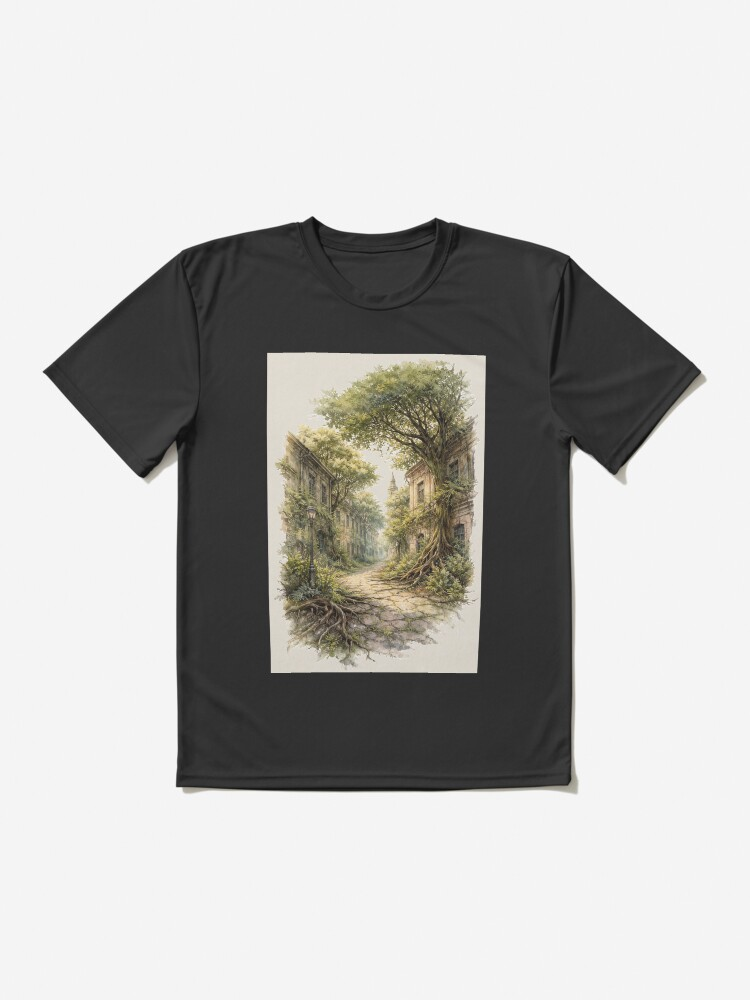
The tree rows weren’t just ornaments. They were a plan. The streets weren’t just passages. They were living spaces. The city grew with nature, not against it.
Today, when someone searches for how nature affects the quality of life in a city, the answer doesn’t have to be theoretical. Just walk through Sombor. There, you see that a Domaćin doesn’t just tend to what is his. He cares about what he shares with others.

Veljko pauses and asks:
“To plant a tree whose growth you won’t see with your own eyes… That was not done for oneself. It was done for the future! That is the true path.”
Art That Comes Home
In many success stories, there is a departure. But in some, there is a return.
Milan Konjović could have stayed where art was already recognized. He could have been a name without a place. But he chose differently. He returned. And by doing so, he gave his city a reason to be part of the world’s cultural map.
That isn’t just art. That is a decision. A Domaćin doesn’t just carry knowledge with him. He brings it back where it can take root.
A Culture That Is Lived, Not Just Observed
In Sombor, culture was never reserved for special occasions. The theater wasn’t just a night out; it was part of life. Conversations weren’t empty; they were an exchange of ideas.
The city functioned as a space to participate in, not just a place to use.
That is why today, when we wonder why people have become passive in society, the answer may not be a lack of content. It may be that we have forgotten how to be part of it.
A Rhythm That Endures
Before “slow living” became a concept, Sombor lived it. The bicycle wasn’t a symbol; it was daily life. Meetings weren’t scheduled; they were spontaneous. Time wasn’t something to “catch.” It was something to live in.
Today, as people search for how to reduce stress and slow down life, this image seems idealized. But it was reality. And that is why it matters. It shows that balance isn’t something to invent, but something to relearn.
A City That Joined Worlds
Different languages, customs, and worldviews didn’t collide—they learned to function together. It wasn’t always easy, but it was necessary. From that came understanding.
👉 A Domaćin doesn’t just choose his own. He learns how to live with the different.
Veljko asks again:
“If you begin to understand others, you will not lose yourself. What you must be, only then will you become.”
Ideas That Remain
Maybe Sombor wasn’t where ideas were always born, but it was where they became sustainable. What does it mean to be a leader today? Maybe it doesn’t mean having all the answers. Maybe it means knowing what is worth preserving.
Innerway ART Studio – An Idea as a Movement
This concept of the Domaćin lives today through creativity. Within the Innerway ART Studio on the Redbubble platform, designs are created, inspired by identity, knowledge, and personal responsibility.
Especially through the “Secret Society of Autodidacts” collection—where learning is a personal act of rebellion.
If you want to wear an idea, not just a design—explore the collection and find a motif that reminds you of who you want to become.
Knowledge as Continuity
A Domaćin never stops learning. Not because he has to—but because he understands the world changes, and the inner compass needs constant calibration.
In an era where people search for books that change your way of thinking, the choice of what we read is more important than ever. Not all information is knowledge. And not all knowledge is applicable.
There are books you don’t read quickly:
- Semper Idem: A story about a man trying to remain the same in a changing world.
- Borba za zapis (The Struggle for the Record) – a book written by the Serbian princess Ljubica Karađorđević: A reminder that identity is something to be guarded and passed on.
Veljko quietly asks:
“If you do not know your roots… you cannot see the path ahead of you. That is darkness.”
Economics as Responsibility
Being a Domaćin today also means understanding money. Not as a goal, but as a tool.
In a world asking how to manage money wisely and build a stable life without constant stress, the answer isn’t in extremes. It’s in balance.
A Domaćin doesn’t buy to impress. He buys to use. He doesn’t arrange a space to look perfect, but so it can be lived in.
Veljko asks:“If you only see today… then tomorrow is lost to you!”
This brings us to long-term responsibility.
Concepts like the Treesury Green Bond introduce the idea that money can have a broader meaning—social and ecological. It is an investment in stability.

How to Begin
It doesn’t start with big decisions. It starts with questions:
- Do I know where my money is going?
- Am I buying out of need or habit?
- Am I thinking long-term or just reacting? 👉 Do my decisions build a life—or just maintain it?
At that point, economics stops being abstract. It becomes part of daily life. And part of identity.
Connections with the World – Then and Now
Sombor was never isolated. Its people traveled, learned, and brought ideas back. But the return was key. A journey without a return is just a change of location. A journey with a return is a transfer of knowledge to the community.
Today, we have instant access to the world via the internet. Information no longer travels for days, but for seconds.
Veljko’s warning:“To know everything and understand nothing… that is dangerous! From too much news, your mind defends itself. You become foolish… in self-defense. Wisdom is in silence, not in the noise of information!”
Maybe our relationship with knowledge has changed. Once, knowledge was something to be processed. Today, it is something to be consumed.
The question is no longer: how do we connect with the world? We already are. The question is: what do we do with that connection? If ideas don’t come home—they remain just information.
Manifestations – When the City Becomes a Community Again
There are moments when Sombor stops being just a quiet town. These are the days of the Festival of Lights, the Theater Festival, and the Comic and Fantasy Festival.
These aren’t just events; they are a mirror of local responsibility and identity.
Cultural and Artistic Sombor
- “Teatar u Somboru” Theater Festival: A reminder that culture in small towns is the foundation of identity.
- Sombor International Comic and Fantasy Festival: Traditionally held in May, it turns the city into a space for “the ninth art.” With workshops, fairs, and live drawing, it’s a time when Sombor doesn’t just observe culture—it participates.
Veljko would say:“You draw while they watch, writing the street with ink. Your city becomes one great book. That is great strength!”
The “Slow Travel” Experience
For those seeking authentic local experiences, Sombor offers:
- Sombor Literary Festival: Intimate conversations in the courtyard of the City Library.
- Village Fairs and Gastronomy Events: Where the connection between food, work, and community is clearest.
Conclusion: The Invisible Compass
Maybe the problem isn’t that there are no leaders (Domaćini) in modern society. Maybe the problem is that we’ve stopped recognizing them.
In a world where we ask what it means to be a leader today and why there is a lack of personal responsibility, the answer isn’t in new definitions—but in understanding the old ones.
We have changed our focus:
- We don’t value what is quiet, stable, and consistent.
- We avoid responsibility because it is slow and demanding.
Veljko closes the circle with one simple sentence:
“The one who has, is not the Domaćin. Hmm… no. The one who cares… he is the true Domaćin!”
It’s not in what is seen, but in what is maintained. Not in what is owned, but in what is preserved.
If this story reminded you of something you’ve forgotten:
👉 Explore more at SoTheWay.com
👉 Find an idea you can wear via Innerway ART Studio
👉 Or simply—do one small thing for your community today.
Because you don’t become a Domaćin. You live it.
Frequently Asked Questions (FAQ)
What does the term “Domaćin” mean in a modern context?
While traditionally meaning a “head of household,” a modern Domaćin refers to an individual who demonstrates extreme ownership, integrity, and civic responsibility. In today’s society, it describes a leader who prioritizes the long-term well-being of their community and environment over personal gain or fleeting success.
How can we implement traditional values in modern society?
Implementing traditional values like honesty, hard work, and reliability starts with individual action. By practicing mindful consumption, supporting local craftsmen, and taking initiative in community problems (like the “stork solution” in Sombor), we bridge the gap between historical wisdom and the digital age.
What is “Slow Living” and how is it connected to Sombor?
Slow Living is a lifestyle choice that emphasizes quality over quantity and presence over speed. Sombor is a prime example of a “Slow Living” destination, where the rhythm of life is dictated by nature, bicycle paths, and meaningful social interactions rather than the high-stress environment of modern metropolises.
Why is individual responsibility important for community growth?
A community is only as strong as the responsibility taken by its members. As seen in the history of Sombor’s local leaders and teachers, when individuals treat public spaces and social issues with the same care as their own homes, the entire society experiences sustainable growth and a stronger cultural identity.
How does nature impact the quality of life in urban areas?
Nature is essential for urban well-being. Sombor’s historic decision to plant extensive tree rows (Bođoš) and preserve natural predators like storks proves that green urban planning reduces stress, improves air quality, and creates a unique city identity that attracts “green-conscious” travelers and residents.
Where can I learn more about Sombor’s cultural heritage and famous figures?
You can explore the rich history of figures like Milan Konjović and Laza Kostić by visiting local galleries and libraries in Sombor. For a modern take on these values and their application in today’s world, follow the series “100 Prominent Sombors” on the SoTheWay platform.