
Why Small Towns Hold Big Stories
Morning comes quietly in Sombor, almost unnoticed.
The streets are still half-empty, and the branches of the tree-lined avenues sway gently above the wide sidewalks. Somewhere in the distance, the sound of a bicycle echoes; somewhere, old wooden windows creak open, windows that have witnessed centuries. The scents of freshly baked bread and morning dew drift from courtyards and parks.
On a bench in the Grand Park sits a small traveler.
Veljko.
He doesn’t speak much. But when he does, his questions carry a weight that makes you pause and reflect.
He gazes at the tree-lined street and whispers:
“Does the city remember the people, or do the people remember the city?”
The wind rustles the leaves, almost as if nature itself answers. Veljko lifts his gaze, and from the very silence of the plains, the voice of an old poet resonates:
Laza Kostić.
“The city remembers,” says the poet, “but not the houses and streets. It remembers the dreams of the people who have passed through it.”
Veljko thinks for a moment and asks:
“Do dreams… remain in the walls?”
The poet smiles gently:
“Not in the walls. In the stories.”
Veljko looks around: at the old façades, the tree-lined streets, the bicycles passing slowly without hurry. The city seems calm. Almost as if nothing extraordinary ever happened.
But Veljko knows it is only an illusion.
Some cities do not speak loudly.
Some cities tell their stories slowly.
And Sombor is one of them.
Every street holds a question.
Every question is a story.
And thus begins the story of a city that does not speak loudly, yet remembers profoundly.
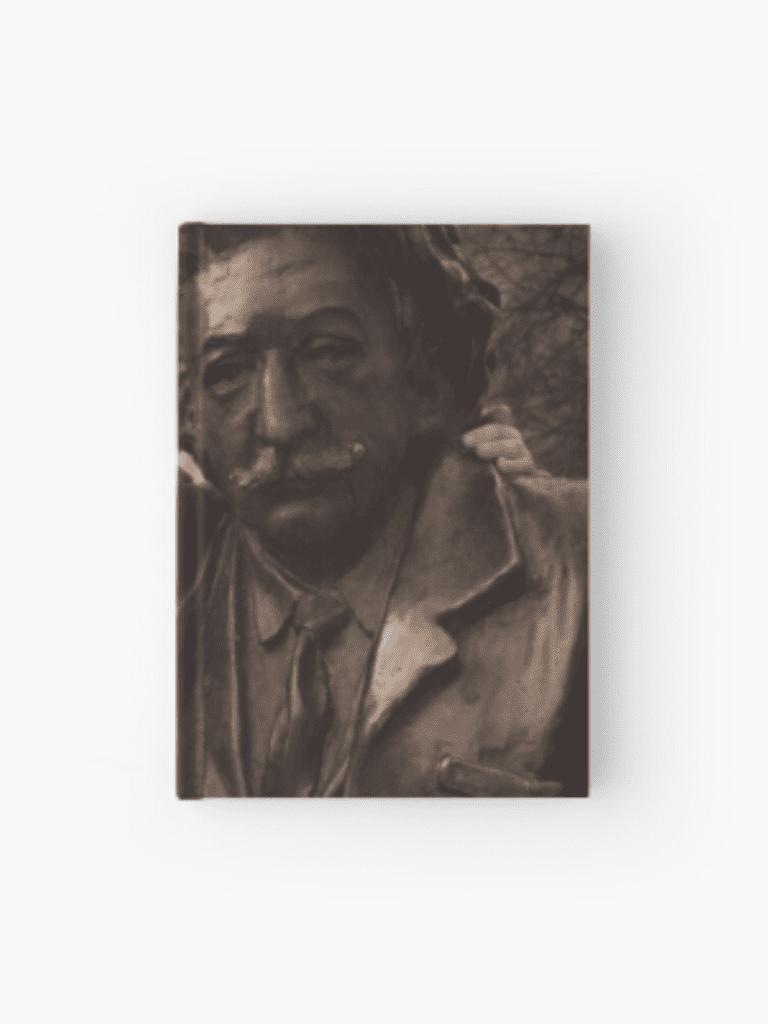

What Shapes the Spirit of Sombor
As he walks, Veljko notices how Sombor preserves its stories not only in books, but also through its streets and trees.
One of the most famous streets is Venac Radomira Putnika — long, wide, and lined with majestic bald cypress trees. These trees have become a symbol of the city and are often mentioned when talking about the spirit of Sombor.
Life here doesn’t rush.
People still talk, read, and reflect.
Veljko pauses and looks up at the towering canopies. His eyes follow the sunlight filtering through the leaves, and the scent of old wood drifts through the street.
“Who are these bald cypresses, and how did they come here?” he wonders.
The story begins more than a century ago.
When Sombor decided to renovate its main streets at the end of the 19th and the beginning of the 20th century, city planners sought a tree that was:
- resistant to the winds of the plains
- long-living
- aesthetically pleasing in every season
They chose the bald cypresses, originally from the Mississippi River region in North America.
Each cypress on Venac Radomira Putnika has its own story.
Some were planted over 120 years ago and today form the living architecture of the street.
Today, they are cared for as city treasures:
- Dead and damaged branches are regularly pruned
- Root systems are protected from urban construction
- Leaves are cleared in autumn, and new saplings are planted to replace older cypresses when needed
Veljko notices that, although slow-growing, the cypresses symbolize patience and a long-term vision — precisely what makes the spirit of Sombor unique.
A fun fact for visitors: every sapling is numbered, allowing city archives to track the exact year of planting and the tree’s origin. Some cypresses were planted as gifts to city institutions or families that shaped Sombor’s history.
Treesury – a smart investment in nature, stability, and the future.

Veljko smiles. Every tree, every street, every story — is part of the city’s identity.
And right here, on Venac Radomira Putnika, Sombor shows why small towns hold big stories: through its people, its books, and its trees, which carry the history and wisdom of generations.
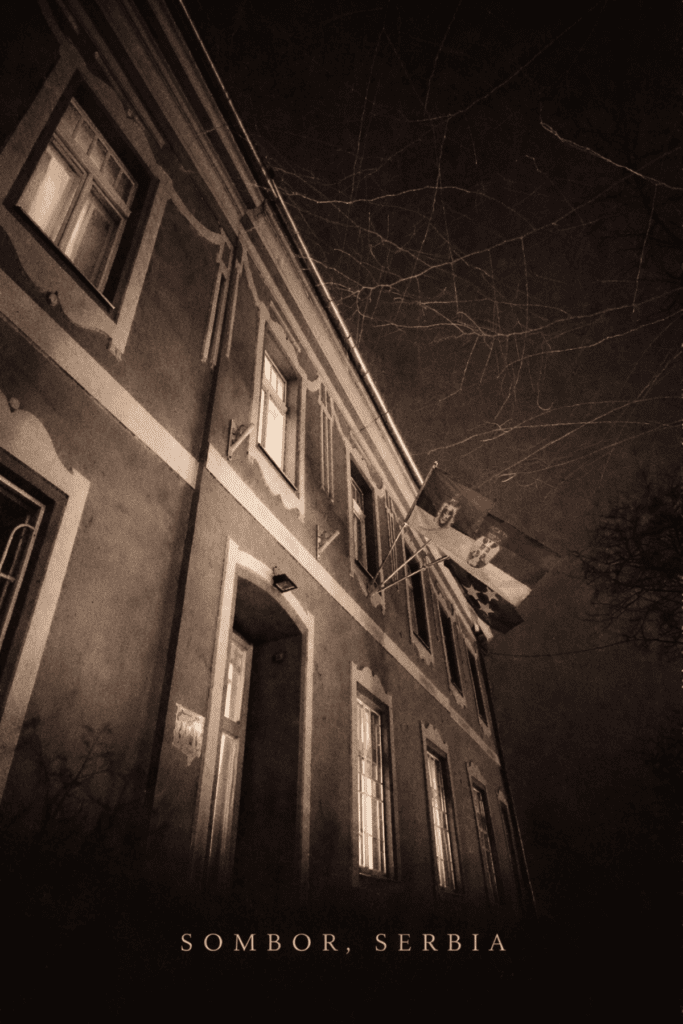
Exploring Sombor Through Its Literature and the Wisdom of the Plains
If you want to gain a deeper understanding of Sombor’s history, culture, and literary tradition, these books are an excellent choice:
Works of Laza Kostić — the poet who shaped the spirit of Vojvodina
The Plains: Silence That Holds Wisdom
Later that same day, Veljko slowly leaves the park and wanders through the city streets.
Sombor always seems as if it’s in no hurry.
Tree-lined avenues cast cool shadows, bicycles pass quietly, and the wind carries the scent of the plains stretching just beyond the last houses.
Veljko stops and gazes at the horizon.
He remains silent for a long moment.
Then he asks:
“The plains… are they empty?”
Many would answer yes.
After all, the plains have no mountains, no cliffs, no dramatic landscapes.
But someone else hears this question — a writer who has listened to the plains his entire life.
Veljko Petrović.
“Empty?” he repeats.
“No. The plains are full. Their stories just do not appear quickly.”
Veljko tilts his head.
“Stories… where are they?”
The writer points into the distance.
“On the farms. In slow conversations. In people who work hard and speak little.”
Veljko looks at the horizon.
There isn’t much to see.
Just a wide sky and land that stretches far.
“Slowly… does the plains think?”
The writer smiles.
“Slowly, but deeply.”
Veljko then whispers:
“The plains… hide their wisdom in silence.”
The writer nods.
“That is why many never understand it.”
Works of Veljko Petrović — essays and stories about the plains and life in small towns


Works of Isidora Sekulić — introspective literature on identity and the slow rhythm of life
Pisma iz Norveške – Isidora Sekulić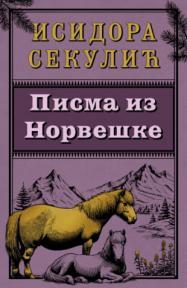

Why Reading Rooms Were Cultural Hubs
In the 19th century, reading rooms in Sombor played a crucial role in shaping the civic and cultural identity of the city:
- Access to books and newspapers from across Europe allowed Sombor’s citizens to stay connected with the wider world
- Debates and public discussions encouraged critical thinking and intellectual growth
- Places like the Serbian Reading Room fostered the city’s social capital, teaching people the value of dialogue and education
Books and Inspiration: How Writers Understand Sombor
Veljko pauses in front of a reading room, thoughtfully gazing through its windows. These spaces were not just places to read — they were cultural centers, spaces for intellectual conversation and exchange of ideas.
Writers such as Laza Kostić, Veljko Petrović, and Isidora Sekulić shaped their works here:
- Laza Kostić: a poet whose works explore identity, memory, and love. His collections, such as Selected Poems and Santa Maria della Salute, help readers understand the atmosphere of small towns and the plains. His poetry often meditates on the past and dreams, with reflections on people and time hidden within each verse.
- Veljko Petrović: a writer and essayist devoted to the life of small towns. His stories depict people who work hard, speak little, and quietly build the identity of their communities. In his essays, Petrović shows how the slow rhythm of the plains teaches patience, introspection, and attentive listening.
- Isidora Sekulić: an intellectual who emphasizes that books open multiple lives, and reading rooms are the spaces where this experience is shared and passed on. Her texts remind readers that history and culture endure through care and dedication, just as Sombor preserves its stories.
Books that help readers understand Sombor act as a bridge between the past and the present. They allow travelers and residents alike to experience the spirit of Sombor and the values that have lasted for generations.
Multiculturalism and the City’s Identity
Sombor is not just a city to live in — it is a city that breathes through its streets, tree-lined avenues, and parks.
Every canopy, every bench, every row of trees tells a story of the past and the people who once lived here.
For centuries, this city has been part of the Central European cultural space, meaning it has been shaped by a mixture of cultures that influenced its spirit:
- Serbian culture, with its folk traditions, poetry, and stories
- Hungarian culture, bringing urban charm, architecture, and educational traditions
- German culture, with precise urban planning and disciplined organization
- Jewish culture, contributing richly to literature, trade, and the arts
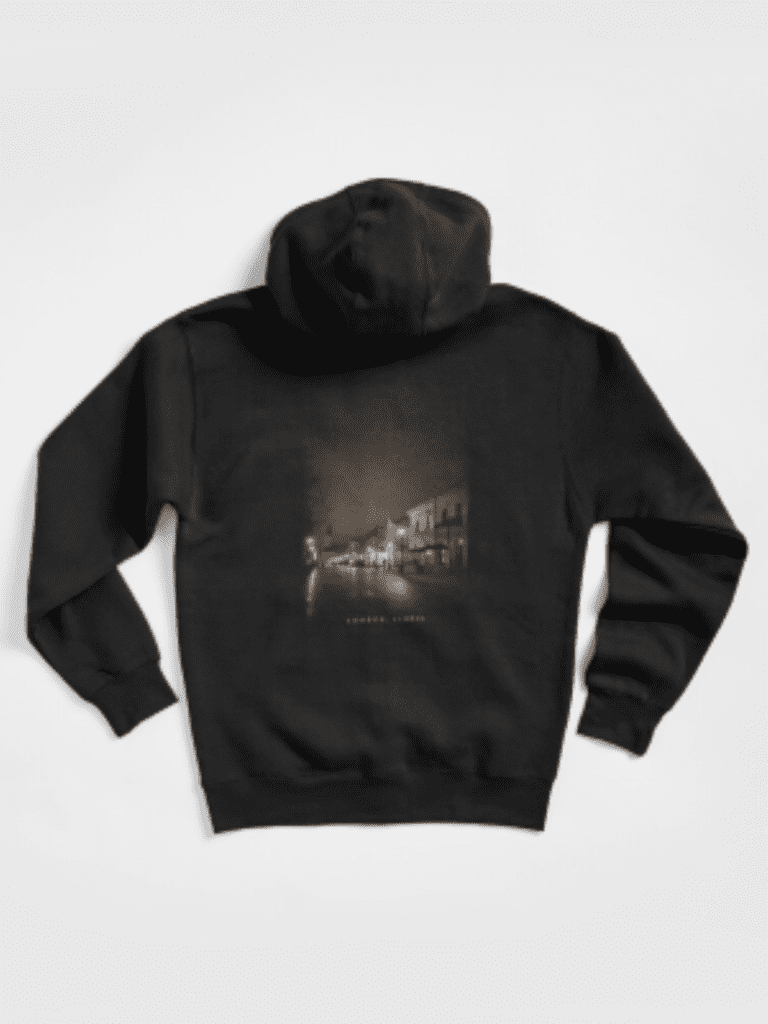

Such diversity has shaped a unique mindset among Sombor’s citizens: open, curiously tolerant, yet deeply rooted in tradition and local identity.
This is why many writers from the region constantly explore themes of identity, memory, and belonging, trying to capture the intangible — the spirit of the place and its people.
🌿 Fascinating Facts About Cultural Diversity
- Sombor’s streets often reflect a variety of architectural styles, from Art Nouveau façades to Neoclassical buildings, showcasing the meeting of different cultures.
- Years of educational and professional traditions turned the city into a center of intellectual life in Vojvodina, with reading rooms and libraries serving as spaces where these cultures converged.
- This multiculturalism created an atmosphere of respect for diversity and dialogue, still felt today in everyday life and through stories passed down through generations.
Explore more of our stories and Meaningful Adventures.
✍️ Writers and the Spirit of Sombor
Sombor and Vojvodina are not just geographical locations — they are a source of literary inspiration, exploring identity and the passage of time. Writers such as Danilo Kiš and Miloš Crnjanski have examined this complex dynamic of small towns, searching for identity, memory, and belonging.
Danilo Kiš
Born in Subotica but connected to Vojvodina and the Central European cultural circle, Kiš explored how identity depends on place and the people around us through stories about history, wars, and memory.
His works often investigate traces of multiculturalism and complex social relationships in towns like Sombor, where history is always present, yet silent.
Fun fact: In his essays and stories, Kiš emphasized the importance of archives, reading rooms, and libraries as places that preserve collective memory.
Miloš Crnjanski
One of Serbia’s most famous writers and poets, Crnjanski frequently depicted the plains, people, and towns of Vojvodina in his novels, linking landscapes with the inner worlds of his characters.
His poetry and prose reflect the slow rhythm of life on the plains, introspection, and the values of tradition — much like Veljko Petrović later observed.
Fun fact: Crnjanski was fascinated by travel and cultural dialogue; his works often feature encounters between different nationalities and languages, vividly illustrating the spirit of Central European Vojvodina.
Through the stories of Sombor’s tree-lined streets, its multicultural heritage, and its writers, it becomes clear that the city is more than a place to live. It is a living story of identity, tradition, and values that transcend time.
Every street, every avenue, and every library preserves traces of people and ideas that shape today’s spirit of Sombor.
Why Small Towns Hold Big Stories
Big cities often create events.
Small towns preserve memory.
In them, people remember things that quickly disappear in large metropolises:
- Who built the houses and left their mark on the façades and tree-lined streets
- Who wrote books that continue to inspire generations
- Who planted a tree that today provides shade for children and passersby
Veljko stops and gazes at the streets of Sombor.
Silence, calm, the slow rhythm of life.
And he quietly says:
“The city… keeps stories until someone tells them again.”
In small towns, stories are passed on slowly, with care.
They are not places of spectacle, but they are the custodians of time and memory.
Every bench, every book, every street carries traces of past generations.
Here, the past is not just history.
It is part of everyday life.
Small Community, Big Identity
Small towns have a unique power: they build identity through community, through daily interactions and traditions.
- Here, people know their neighbors, remember their stories, and pass them on
- Tradition is preserved not in museums, but in homes, parks, libraries, and town squares
- Instead of being mere observers, residents of small towns become guardians of history and culture
In Sombor, this is especially visible: the tree-lined avenues, the old reading room buildings, and the stories of writers and artists all form a continuous narrative.
Every trace in the city reminds people that they are part of something larger — that a community’s identity grows from everyday, small acts.
Veljko looks around, listening to the silence of the street.
He realizes that big stories often lie in small things:
- In books preserved across generations
- In tree-lined streets that accompany the life of the city
- In people who work quietly but leave a lasting mark
“Identity is built in small communities,” says Veljko.
And right here, among the peaceful streets of Sombor, he sees the strength of these communities:
Small towns are the guardians of values, memory, and the soul of a place.
🌟 Message to the Reader
By reading stories about small towns like Sombor, we learn:
- How does everyday life carry history
- How culture and tradition endure through generations
- How important it is to recognize and preserve the small, yet meaningful traces around us
Because perhaps, big stories really do begin in small places — where people keep memories alive and build an identity that transcends time.
Books That Help You Understand Sombor
ℹ️✨ This post contains affiliate links. Some links may earn a small commission for SoTheWay if you choose to make a purchase — at no additional cost to you. We only recommend resources and brands that align with mindful values and genuine usefulness.
Conclusion
Sombor is not a city to be understood quickly.
It must be discovered slowly — through walks, books, and conversations.
Perhaps that is why, in the end, Veljko says:
“Big stories… are kept by small places.”
And one of those stories is only just beginning.
Because next, Veljko will meet the writer who understood the plains best.
His name is Veljko Petrović.
📌 Next in the Series
Veljko Petrović — The Spirit Who Walks the Plains
SoTheWay is more than a blog. It’s a guide for your everyday small victories.
✨ Explore the entire SoTheWay galaxy →Frequently Asked Questions (FAQ) – Discovering Sombor
Where is Sombor, and why is it unique?
Sombor is a historic town in Vojvodina, Serbia, known for its peaceful streets, tree-lined avenues, and rich multicultural heritage. Unlike large cities, Sombor preserves memories, traditions, and stories that have shaped the identity of its people for centuries.
What makes Sombor a city that “remembers”?
Sombor “remembers” through its architecture, tree-lined streets, reading rooms, and literature. Stories of the city are preserved in the façades, public spaces, and cultural traditions, making it a living museum of human memory and creativity.
Which writers are associated with Sombor?
Key writers connected to Sombor include Laza Kostić, Veljko Petrović, and Isidora Sekulić. Their works explore themes of identity, memory, the slow rhythm of life in small towns, and the spirit of the plains.
How does Sombor’s multicultural heritage influence the city?
Sombor has been shaped by Serbian, Hungarian, German, and Jewish cultures, resulting in a unique mix of architecture, traditions, and intellectual life. This multiculturalism fosters tolerance, dialogue, and a deep respect for cultural diversity, still evident today.
What are the most important books to understand Sombor?
Some essential reads include:
Short Stories I & II – capturing everyday life and community in small towns
Selected Poems and Santa Maria della Salute by Laza Kostić – exploring love, memory, and the spirit of the plains
Selected Works 1–5 and Dramas by Laza Kostić – for a complete overview of his literary and philosophical contributions
Works by Veljko Petrović and Isidora Sekulić – focusing on the plains, small-town life, and identity
Why are Sombor’s tree-lined streets important?
The iconic bald cypresses, especially on Venac Radomira Putnika, are more than decoration. Planted over 120 years ago, they symbolize patience, community vision, and continuity. Each tree is numbered, reflecting careful preservation and the city’s dedication to heritage.
What role did reading rooms play in Sombor’s history?
In the 19th century, reading rooms were cultural hubs where citizens accessed books and newspapers from across Europe. They encouraged intellectual development, critical thinking, and cultural exchange, making them central to the city’s identity.
Why are small towns like Sombor important for cultural preservation?
Small towns preserve stories, traditions, and values that often disappear in large cities. Through everyday life, books, local architecture, and community interactions, small towns like Sombor maintain a living connection to history and identity.
How can visitors experience Sombor’s culture today?
Visitors can explore Sombor by walking its streets, visiting reading rooms, admiring the tree-lined avenues, and reading works by local authors. The city encourages slow discovery, offering insight into the rhythms of life, history, and community identity.
What is the next story in this series?
The next installment focuses on Veljko Petrović — The Spirit Who Walks the Plains, exploring how this writer captured the essence of the Vojvodina plains, small-town life, and the quiet wisdom of the region.